
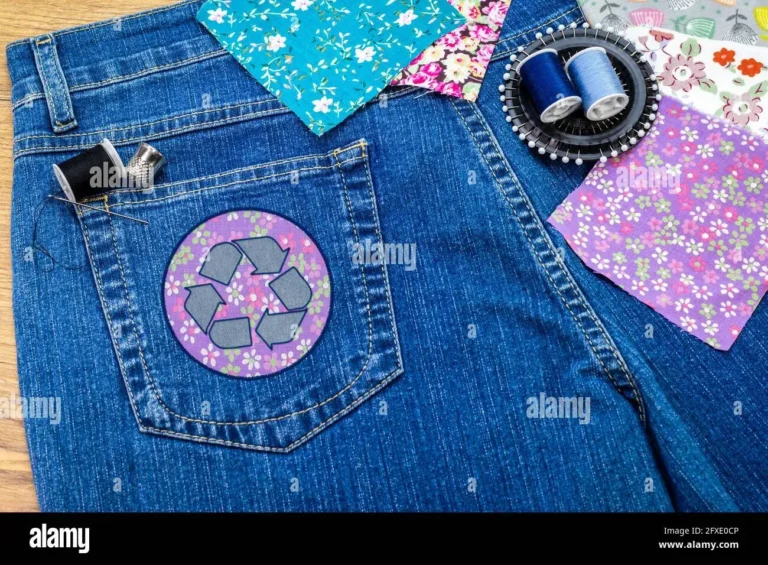
Sustainable Fashion with Patches is a practical, creative approach to reimagining what we wear and how we value clothing. In a world shaped by disposable trends, patches extend the life of garments and reduce waste. By embracing upcycling wardrobe with patches and patchwork fashion ideas, you can transform jeans, jackets, and tees into unique statements. DIY fabric patches for clothing empower control over color, texture, and meaning, while eco-friendly fashion patches support responsible production. This guide highlights practical steps, materials, and care tips to cultivate a durable, stylish patch-based wardrobe.
Beyond sewing patches, the concept expands into patch-based upcycling, turning worn fabrics into refurbished garments that feel fresh and personal. This mindset supports circular fashion by encouraging repair, reorganization, and textile embellishments like fabric appliqués that tell a story. Reimagined denim, jackets, and totes emerge through mindful patch layout, color journeys, and sturdy stitching, reinforcing a sustainable, eco-conscious wardrobe.
Frequently Asked Questions
What is Sustainable Fashion with Patches and why does it matter?
Sustainable Fashion with Patches is a practical approach to extending garment life by patching, mending, and upcycling existing pieces rather than buying new. It reduces fabric waste and the environmental footprint of clothing production, while letting you express personality through patchwork fashion ideas and eco-friendly fashion patches.
How can I start with upcycling wardrobe with patches at home?
Begin with simple projects on sturdy fabrics like denim or canvas. Gather a small set of patches, decide on sew-on or iron-on methods, lay out patches, and apply one patch at a time. This upcycling wardrobe with patches approach builds confidence while delivering unique, durable results.
What are the best options for DIY fabric patches for clothing?
Choose durable bases such as denim, canvas, or cotton twill; reuse reclaimed fabrics when possible; combine embroidered or woven patches with appliqués. For speed, iron-on patches work, but sew-on patches tend to be more durable, aligning with eco-friendly fashion patches.
Which patch types and attachment methods fit eco-friendly fashion patches?
Use a mix of embroidered, woven, and appliqué patches. Attach with sew-on stitches for longevity, iron-on patches for quick updates, or fusible web for lighter shapes. Lay out patches first and test adhesion before finalizing.
How should I care for eco-friendly fashion patches to keep patch-based garments durable?
Wash inside out in cold water with mild detergent, then air-dry. This protects edges and adhesives. Re-seal iron-on patches if needed and avoid high heat that can warp fabric and weaken patches.
What patch placement ideas can jump-start your patchwork fashion ideas?
Think function and style: elbow and knee patches on denim, back panel clusters for a statement, pockets and hems for focal points. Use a cohesive color story or playful mix to craft patchwork fashion ideas that reflect your personality.
| Aspect | Key Points |
|---|---|
| Purpose and Value | Extends garment life, reduces waste, and makes fashion practical through patchwork as a sustainable approach. |
| Upcycling Concept | Patches on existing garments transform items, maximizing life and minimizing waste; patchwork equals upcycling. |
| Materials & Patch Options | Use sturdy bases (denim, canvas, cotton twill); seek reclaimed fabrics; patch types include embroidered, woven, iron-on, and sew-on; favor natural fibers; plan color stories. |
| Techniques | Sew-on, iron-on, fusible web, embroidery/appliqué; plan patch placement; pre-mark patches; reinforce edges with stitches. |
| Care & Maintenance | Turn inside out, wash with mild detergent in cold water; air-dry; re-seal iron-ons if needed; avoid high heat. |
| Design & Creativity | Patch placement ideas for jackets, jeans, totes; build cohesive color stories or bold, eclectic mixes; themed patches to tell a story. |
| Beginner DIY Tutorials | Start with small patches on denim sleeves; create a back panel with 4–6 patches; add a patch pocket to a shirt or jacket. |
| Patch Variety & Use | Embroidered patches for focal points; woven patches for texture; iron-on decals for quick updates; mix techniques for depth and a vintage-meets-modern vibe. |
| Budget & Accessibility | Patch-based upcycling reduces cost by reusing garments; thrift-store patches and fabric scraps help; careful planning maximizes value. |
| Environmental Message & Payoff | Reduces waste, extends garment life, lowers demand for new textiles; builds creativity, sewing skills, and personal storytelling through patches. |
| Conclusion: Patchwork Payoff | Upcycling with patches yields durable, expressive wardrobes while supporting a more sustainable fashion system. |
Summary
The table above highlights the core ideas of Sustainable Fashion with Patches, including purpose, materials, techniques, care, design ideas, beginner projects, and the broader environmental impact. It serves as a quick reference for understanding how patch-based upcycling can extend garment life and reduce waste.