
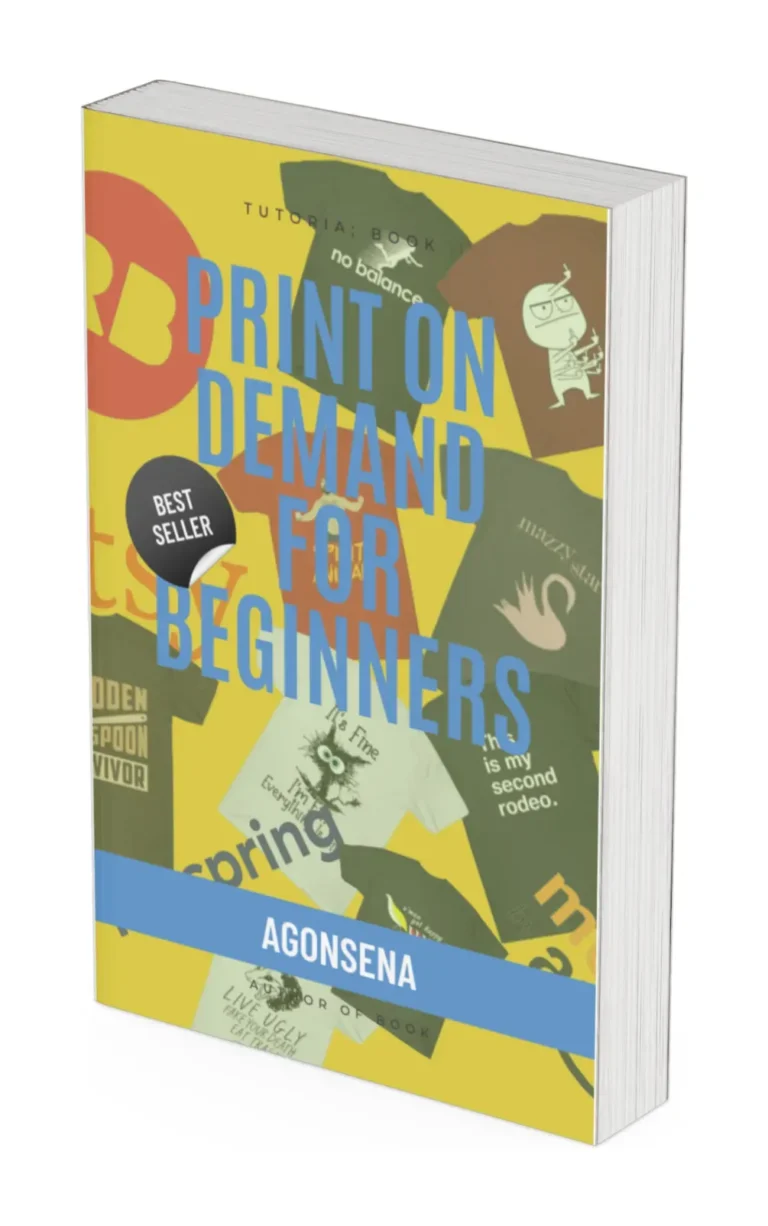
Print on Demand for Beginners opens the door for aspiring designers to turn ideas into tangible products without upfront inventory. If you’re exploring this topic, the guide offers practical steps to define a niche, pick a platform, and position your first collection. Along the way, you’ll explore design concepts and how to translate ideas into high-quality mockups that resonate with customers. We’ll cover how to build a cohesive storefront presence, tailor product pages for clarity, and set up a simple, repeatable workflow. By following these steps, you can minimize risk, learn quickly, and create a scalable process you can repeat as your brand grows.
From a broader perspective, POD is a flexible, low-risk merchandising model that lets you test ideas before committing full production. When you’re ready, consider how to launch your first collection by mapping themes to a cohesive line and aligning visuals across your online storefront. Creative concepts can be explored through mood boards and mockups, translating your niche into wearable art and everyday items. To boost visibility and conversions, apply POD storefront tips, optimize product pages, and refine image assets to align with search intent.
Print on Demand for Beginners: Define Your Niche and Audience
Defining a niche is your most impactful early move in print on demand for beginners. A focused niche guides product selection, messaging, and campaigns, helping you stand out in a crowded marketplace. Start by listing your passions and strengths—fitness, pets, nature, gaming, wellness—and cross-check them with proven demand signals such as search volume and social trends. This validation doesn’t require perfection; it’s about securing a lane you can own as you move from idea to first collection.
Create a customer persona that captures age, interests, buying motivations, and the problems your designs solve. Ask: who will buy this, and why would they choose it over alternatives? When your niche and audience are clear, your design concepts, product descriptions, and marketing messages become more precise. This clarity forms a repeatable foundation you can reuse as you scale your print-on-demand journey.
Start a Print-on-Demand Business: Platform and Supplier Essentials
If you want to start a print-on-demand business, choosing the right platform and supplier is foundational. For beginners, look for ease of setup, a broad catalog, sensible pricing controls, and strong integration with your storefront. Common paths include popular e-commerce hosts and POD ecosystems that align with your budget and technical comfort level. Start by selecting a primary POD supplier that offers reliable print quality, clear production times, and a straightforward mockup experience.
Decide on your e-commerce home—Shopify, WooCommerce, or Etsy—and consider how automation will handle fulfillment. Ordering samples is essential: test print quality, color accuracy, and fabric feel to ensure your first collection feels premium. Finally, confirm branding alignment: the supplier’s product options should match your niche’s colors, fonts, and design aesthetics so your storefront presents a cohesive brand experience.
Launch Your First Collection: Design Ideas and Product Selection
Launch your first collection by translating your niche into a cohesive design story. Brainstorm 5–15 concepts that reflect your audience’s lifestyle, values, and humor, then sketch or prototype quickly to visualize what sells. Focus on designs that translate well across multiple products—tees, hoodies, mugs, tote bags, and phone cases—so you can maximize the reach of a single concept.
Plan a practical product slate: aim for 6–12 items with variations in color or style that preserve a common theme. Map out pricing and margins based on your supplier’s base costs, include shipping, and leave room for seasonal promotions. Craft product descriptions that highlight materials, fit, care, and the lifestyle your designs enable, while naturally weaving in relevant search terms to support discovery.
POD Design Ideas: Visuals, Mockups, and Cohesive Branding
POD design ideas come to life when you test how a concept travels across products. Start with a strong, legible design that scales from a t‑shirt to a sweatshirt, mug, or tote. Choose a few colorways and keep contrast high to ensure readability in different contexts. Consider your niche’s humor, values, or aspirations to generate concepts that resonate emotionally and become recognizable as your brand’s signature.
Create mockups that sell by showing real-world use. Use lifestyle photography and product context to help customers picture themselves owning the item. Ensure your visual language—typefaces, color palette, and illustration style—stays cohesive across products so your first collection reads as a single story rather than a random assortment of items.
POD Storefront Tips: Storefront Design, SEO, and Conversion
POD storefront tips emphasize consistency, usability, and discoverability. Brand your storefront with a cohesive color palette, typography, and imagery that clearly reflect your niche. Build clear navigation and fast-loading product pages so shoppers can browse confidently from any device while your on-page SEO basics begin to pay off.
Write product pages for both SEO and conversion: include the focus keywords naturally in titles, descriptions, and image alt text. Use benefit-driven language that answers common buyer questions and highlights the lifestyle your designs support. Add policy pages and trust signals—transparent returns, production timelines, and visible contact options—to reduce friction and improve conversion rates.
Measure, Iterate, and Scale: Grow Your Print-on-Demand Brand
Measure, iterate, and scale by treating your first collection as a learning loop. Track key metrics such as traffic, conversion rate, average order value, and fulfillment times, and look for patterns that reveal which designs or products resonate most. Run small tests on pricing, imagery, and copy to refine your catalog and marketing approach.
As you validate profitability, plan for growth beyond a single collection. Consider expanding to additional platforms, increasing marketing efforts, and introducing new product lines that fit your brand’s niche. With a repeatable process, you can go from idea to first sale—and then scale toward a growing catalog that sustains momentum and customer loyalty.
Frequently Asked Questions
What is Print on Demand for Beginners and why should I consider it?
Print on Demand for Beginners describes a low‑risk way to turn ideas into products without upfront inventory. It lets you start a print-on-demand business with minimal cost, test designs, and learn quickly. If you’re exploring Print on Demand for Beginners, focus on a clear niche and a simple launch plan to reduce overwhelm.
What are essential POD storefront tips for beginners when starting a print on demand for beginners?
POD storefront tips for beginners include choosing a user-friendly platform and a reliable POD supplier, testing samples to verify print quality, and organizing a cohesive catalog that aligns with your niche. Build clear policies, optimize product pages for SEO, and start with a simple, repeatable process to start a successful print-on-demand business.
How can I use POD design ideas to launch my first collection?
POD design ideas form the backbone of a strong first collection. Brainstorm 5–15 concepts that fit your niche, test designs on multiple products for versatility, and keep production costs in mind. Use high-quality mockups and cohesive visuals to support launch your first collection.
How can I launch my first collection when I’m new to Print on Demand for Beginners?
Start by defining a clear niche, then select 6–12 products that share a common theme. Plan pricing to cover costs and fees, write benefit-driven descriptions, and set up a storefront with clear navigation and fast-loading pages. With these steps, you can launch your first collection confidently.
What common pitfalls should I avoid and what POD storefront tips help optimize my store?
Common pitfalls include inconsistent branding, weak product descriptions, poor-quality images, and slow page loads. POD storefront tips to optimize your store: maintain a cohesive visual language, optimize titles and image alt text for SEO, order samples to ensure quality, and publish clear policies and responsive support.
How do I measure success and scale after launching my first collection in a Print on Demand for Beginners journey?
Track key metrics such as traffic, conversion rate, average order value, and fulfillment times. Run small tests on pricing, imagery, and descriptions to learn what resonates, then expand by adding more designs, variations, and new products within your niche or by exploring additional platforms to grow your Print on Demand for Beginners journey.
| Step | Key Points |
|---|---|
| Introduction | POD overview: low barrier to entry, pay for production only after order, test multiple designs, and aim to define a niche, choose a platform, design well, launch strategically, and scale over time. |
| Step 1: Define your niche and audience | Identify passions and market demand; define a focused niche; create a customer persona; validate demand. |
| Step 2: Choose a platform and supplier | Select a primary POD supplier; choose an e‑commerce home (Shopify, WooCommerce, Etsy); test product samples; ensure branding alignment. |
| Step 3: Design ideas and product selection | Brainstorm concepts; prioritize evergreen items; design that translates across products; consider production costs; create sellable mockups. |
| Step 4: Build your first collection | Aim for 6–12 cohesive products; plan pricing and margins; craft clear, benefit-focused descriptions; organize your catalog. |
| Step 5: Set up storefront and optimize for search | Brand consistency; SEO-friendly product pages; clear site structure; on‑page SEO basics; policy pages. |
| Step 6: Create listings, visuals, and copy that convert | High‑quality imagery and mockups; persuasive descriptions; optimize checkout experience. |
| Step 7: Launch plan and initial marketing push | Pre‑launch teasers; appropriate social channels; email sequences; micro‑influencers; time‑bound promotions. |
| Step 8: Fulfillment, customer service, and quality control | Track timelines; set expectations; excellent support; collect feedback to iterate. |
| Step 9: Measure, adjust, and scale | Track metrics; run tests; iterate the collection; plan for growth across platforms and product lines. |
Summary
Print on Demand for Beginners offers a practical path to turning creativity into a sustainable business. By starting with a clear niche, selecting reliable suppliers and platforms, building a cohesive design language, and executing a thoughtful launch, you can move from idea to first sale and beyond. This journey emphasizes learning, iteration, and repeatable processes you can scale as you grow your catalog. Focus on testing, optimizing storefronts, and measuring what matters to steadily increase traffic, conversions, and average order value. With consistent effort, Print on Demand for Beginners becomes not just a one-off sale but a repeatable system for expanding your collection and reaching more customers.