
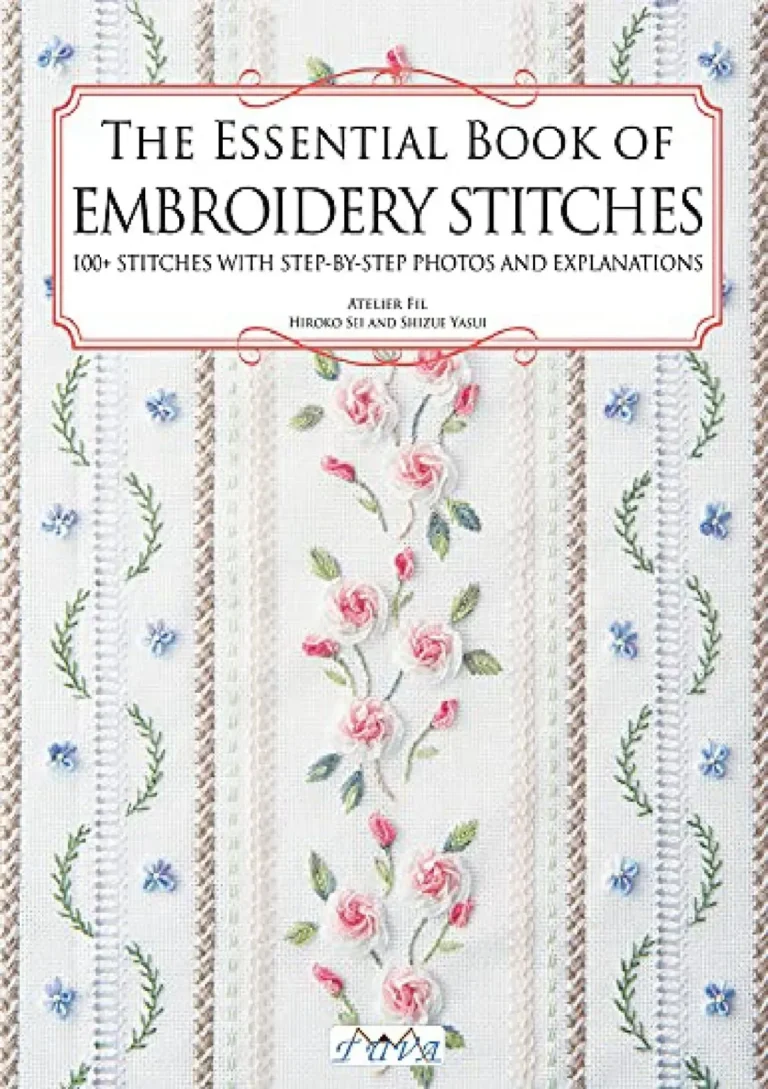
Embroidered Design Essentials is your gateway to crisp, durable stitching that elevates any project. This guide explores how stabilizers for embroidery, threads, and needles work together to create clean, professional results. From choosing the right embroidery threads to matching hoop and backing, you’ll learn practical steps that reduce puckering and skipped stitches. Understanding thread tension in embroidery helps you balance top and bobbin threads for consistent stitches across fabrics. Whether you’re decorating a napkin or a denim jacket, the principles behind Embroidered Design Essentials translate into longer-lasting, richer designs.
Viewed through an alternative lens, the topic centers on a toolkit of stabilizing materials, chosen threads, and precise needles that keep fabric movement in check and stitches even. Instead of repeating the same terms, consider stabilizing materials, backing options, and thread weight as interconnected signals guiding design, density, and finish. An LSI-inspired approach links ideas such as hoop setup, fabric prep, and tension control to paint a complete picture of reliable embroidery outcomes.
1) Embroidered Design Essentials: Core Tools and Their Roles
Embroidered Design Essentials centers on how stabilizers for embroidery, embroidery threads, and embroidery needles work together to create crisp, durable stitches. Understanding each tool’s role helps you choose the right combination for every project, whether you’re stitching a delicate motif on a fine cotton napkin or a bold design on heavy denim. When you know the purpose of stabilizers for embroidery, the properties of different threads, and the strengths of appropriate needles, you can plan a workflow that minimizes puckering and maximizes stitch quality.
This foundational knowledge also makes it easier to troubleshoot common issues. By thinking through fabric type, design density, and finish requirements before you start, you ensure your hooping, thread selection, and needle choice align with the project goals. In practice, you’ll move from theory to a repeatable process that yields professional results across a variety of fabrics and motifs.
2) Choosing the Right Stabilizers for Embroidery Across Fabrics
Selecting stabilizers for embroidery begins with the fabric and design. Tear-away stabilizers are ideal for tightly woven fabrics or dense stitching, while cut-away stabilizers provide lasting support for stretchy or intricate designs. Wash-away stabilizers are perfect for sheer or delicate fabrics where you don’t want any residue. Sticky-back stabilizers offer quick hooping and fabric control but may require removal or replacement depending on the project.
To achieve a clean stitch field, consider how the stabilizer interacts with the fabric and hooping method. For lightweight, woven textiles, tear-away can deliver a crisp outline without excessive bulk. For knit fabrics, a cut-away tends to preserve stitch integrity as the fabric relaxes, and for sheer fabrics, a wash-away keeps the surface smooth. Matching the stabilizer to both the fabric and the embroidery design is key to consistent results.
3) Selecting Embroidery Threads for Color, Texture, and Longevity
Embroidery threads give your design its life. Polyester threads are durable, colorfast, and a practical choice for projects that will be washed or worn. Rayon offers a luxurious sheen and depth of color for decorative work, though it can require careful tension to prevent fraying. Cotton threads provide a matte, natural finish that pairs well with traditional designs and natural fabrics. The thread type you pick will influence how vibrant or subtle your final piece appears.
Thread weight also matters: finer weights (like 40 weight) are ideal for delicate lines and lettering, while heavier weights (18–30) fill larger shapes with saturated color. When selecting embroidery threads, consider the fabric, design complexity, and whether you want bold coverage or a tonal effect. Color planning, including the use of variegated threads, can add depth and dimension to your project.
4) Embroidery Needles: How to Match Needles to Fabric and Thread
The right embroidery needles minimize skipped stitches and fabric snagging. Needle size and type should align with the fabric weight and thread you’re using. For finer fabrics or lighter threads, smaller needles (such as 60/8 or 65/9) are often best, while heavier fabrics or dense designs may benefit from larger sizes (like 75/11 or 90/14). Selecting the appropriate needle helps improve penetration and reduces the risk of visible needle marks on delicate materials.
Needle type matters too: ballpoint needles are gentler on knit fabrics, while sharp needles better serve woven textiles. For embroidery, choose a needle designed for embroidery to optimize thread flow and minimize breakage. Specialty needles with larger eyes can help when using metallic threads or particularly dense stitching, supporting smoother feed and fewer skipped stitches.
5) Hoop, Backing, and Fabric Prep for Precision Embroidery
Even with quality stabilizers for embroidery, proper hooping and fabric prep are crucial. Hooping securely minimizes movement during stitching, which translates to cleaner lines and better accuracy. When working with delicate fabrics or heavy designs, consider adding backing or flannel to provide extra stability and reduce distortion.
Hoop tension should be balanced: the fabric must lie flat without being stretched. Too-tight hooped fabric can cause puckering, while too-loose fabric can lead to misalignment. Using backing materials or water-soluble backings can minimize show-through and maintain a neat back surface. Pre-washing and pressing the fabric before hooping also helps reduce wrinkles that could skew placement.
6) Mastering Thread Tension in Embroidery for Consistent Stitches
A balanced stitch relies on proper thread tension for both the top thread and the bobbin. Incorrect tension can produce loose stitches, surface loops, or thread breaks. Start with a small test stitch on scrap fabric with the same stabilizer and design before committing to a full project, and then adjust the top thread tension or stitch density as needed.
Maintaining consistent feed and matching bobbin thread to the top thread are essential steps. Tension variations often arise from mismatched threads or improper stabilizer interaction, so run tests that replicate your final setup. By treating thread tension in embroidery as a controllable parameter, you can achieve even, reliable stitches on both light and heavy fabrics across multiple projects.
Frequently Asked Questions
What are the core components of Embroidered Design Essentials, including stabilizers for embroidery, embroidery threads, embroidery needles, hoop and backing, and thread tension in embroidery?
The core components are stabilizers for embroidery, embroidery threads, embroidery needles, hoop and backing, and thread tension in embroidery. Understanding how to select and balance each element for your fabric and design yields crisper stitches and longer-lasting embroidery.
How do I choose the right stabilizers for embroidery in Embroidered Design Essentials?
Select stabilizers for embroidery based on fabric type, design density, and washability. Tear-away works on stable fabrics, cut-away for stretch or dense stitches, and wash-away for delicate fabrics; always hoop and prep the fabric for the best results.
What embroidery threads are recommended in Embroidered Design Essentials and how do I pair them with fabric?
Use polyester for durability and wash-fast color, rayon for sheen, or cotton for a matte look. Match thread weight to the design detail and fabric weight to avoid puckering, and always test stitches to balance color and coverage.
Which embroidery needles should I use for Embroidered Design Essentials?
Choose embroidery needles from 60/8 to 90/14 depending on fabric weight and thread. Use sharp needles for woven fabrics and ballpoint for knits; select a needle type that supports your embroidery design for clean penetration.
How do hoop, backing, and fabric prep influence Embroidered Design Essentials results?
Hoop the fabric securely to keep it flat, use backing when extra stability is needed, and pre-wash/press the fabric to reduce shrinkage and puckering. Proper hooping minimizes movement and improves stitch alignment.
How can I optimize thread tension in embroidery within Embroidered Design Essentials?
Always run a test stitch on scrap fabric with your stabilizer. Adjust top thread tension and stitch density, ensure smooth fabric feed, and use a compatible bobbin thread to maintain balanced stitches on both sides.
| Aspect | Key Points |
|---|---|
| Stabilizers for Embroidery | Types: tear-away, cut-away, wash-away, and sticky-back. Tear-away is ideal for tightly woven fabrics and dense stitching; it tears away after finishing. Cut-away is more robust and stays in place, best for stretchy fabrics and long stitches. Wash-away disappears with water and leaves no residue on the final piece. Sticky-back helps with quick hooping but may require removal later. Choose stabilizer based on fabric type, design complexity, and whether the project will be washed. For knit fabrics, use cut-away; for chiffon or organza, wash-away; for simple woven designs, tear-away; sticky-back for quick, temporary stabilization. |
| Threads for Embroidery | Main options are polyester, rayon, and cotton. Polyester is durable and colorfast, good for projects that will be washed or worn. Rayon has a luxurious sheen but can fray and may require careful tension. Cotton offers a matte, natural finish and works well with traditional designs; heavier weights can fill large areas. Thread weight matters: finer weights like 40 weight suit lettering and fine details; heavier weights like 18–30 weight fill larger shapes. Consider fabric, design complexity, color plan, and whether to use variegated threads. |
| Needles for Precision | Needle sizes typically range from 60/8 to 90/14. Lighter fabrics and finer threads need smaller needles; heavier fabrics or dense designs benefit from larger sizes. Ballpoint needles are gentler on knits; sharp needles perform better on woven fabrics. Use an embroidery-specific needle to improve thread flow and reduce breakage. For metallic or dense threads, choose a needle with a larger eye and suitable feed. Always match needle size to the machine’s specifications. |
| Hoop, Backing, and Fabric Prep | Hoop fabric securely: keep fabric taut but not over-stretched. Overly tight hooping causes puckering; too loose leads to movement. Some projects benefit from double-hooping for extra stability. Backing materials can reduce show-through; fray-ready backings and wash-away stabilizers work well. For lighter fabrics, a water-soluble backing keeps the back neat. Pre-wash fabrics when appropriate to reduce shrinkage; press before hooping to remove creases. |
| Thread Tension and Stitch Quality | A balanced stitch requires proper top thread tension and bobbin tension; test stitch on a scrap; adjust tension or stitch density as needed. Ensure smooth fabric feeding through the machine. Use a bobbin thread that complements the top thread. Match stabilizer to stitch type: light stabilizers for delicate lines, heavier for dense fills. Conduct a test run with the chosen stabilizer and threads to preview stitches. |
| Common Mistakes and Fixes | Common issues include skipped or misaligned stitches; puckering; thread breaks or fraying; visible stabilizer residue. Solutions: check needle size and installation, ensure fabric lies flat in hoop, and replace dull needles. For puckering, use appropriate stabilizer, adjust density or top thread tension, and re-hoop with a more stable backing. For thread breaks, check thread quality and weight, use proper needle size, and consider a thread conditioner. If stabilizer residue is visible, switch to a wash-away or lighter stabilizer. |
| A Practical Quick Project | A simple monogram on a cotton napkin is a good starter. Use a tear-away stabilizer for a crisp outline on woven fabric. Hoop with stabilizer and test stitch on scrap first. Choose a medium-weight embroidery thread and an appropriate embroidery needle. Maintain a steady feed and balanced tension for clean back results. Once satisfied, apply to a larger design or decorative border. |
| Putting It All Together | Goal is consistency. Steps: assess fabric type and design complexity to select stabilizers; pick embroidery threads matching fabric weight and desired finish; choose embroidery needles suited to the thread and fabric; hoop carefully, add backing if needed, and prep fabric to minimize movement; run test stitches and adjust tension until stitches look balanced on both sides; finish by trimming threads, removing stabilizers, and pressing with care to avoid crushing stitches. |
Summary
Embroidered Design Essentials brings together stabilizers, threads, and needles to create crisp, durable embroidery that withstands wear and washing. By understanding stabilizers for embroidery, selecting the right embroidery threads, and choosing the proper embroidery needles, you build a stable workflow that yields consistent results. Hooping, backing, and fabric prep further ensure clean lines, while attention to thread tension helps avoid loose stitches and fraying. With practice and careful testing, Embroidered Design Essentials guides you to professional finishes and confident, repeatable results in every project.