
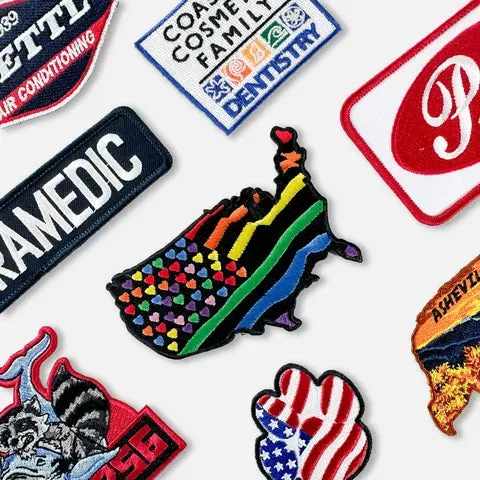
Embroidered patches offer timeless charm, giving you a durable and decorative way to personalize clothes, bags, and gear. Understanding embroidered patches vs iron-on patches helps you choose the right method for long-term wear and professional branding. When considering durability of patches, embroidery typically outlasts heat-activated glues on frequent-wash items. Care instructions for patches vary by backing type, and understanding how to apply embroidered patches properly helps keep designs vibrant and secure. With best practices for patch placement in mind, aim for clean alignment on flat surfaces or along seams for a professional finish.
Beyond the surface, stitched-on patches—also called sew-on badges or fabric insignias—offer a hands-on way to personalize apparel and accessories. These sew-on or adhesive-backed embellishments can be applied to jackets, backpacks, hats, and more, providing quick customization for teams, clubs, or personal style. Whether you’re opting for traditional stitched designs or flat, heat-activated options, choosing the right backing and placement affects durability and the overall look.
Embroidered patches: Durability, Aesthetics, and Long-Lasting Appeal
Embroidered patches offer a durable, premium-grade embellishment for a wide range of fabrics. The dense stitching that defines embroidery creates crisp lines and rich textures that resist wear, making embroidered patches particularly sturdy on heavier materials like denim, canvas, and leather. This durability of patches translates into reliable branding and a long lifespan for everyday gear.
Beyond durability, the tactile surface and dimensional look of embroidered patches elevate aesthetics and perceived value. For those evaluating techniques, ‘how to apply embroidered patches’ is often a practical concern: sewing around the edge with a tight stitch yields a secure bond and longevity that simply isn’t matched by many iron-on alternatives. This is why many enthusiasts favor embroidery for long-term applications.
How to Apply Embroidered Patches: A Detailed Step-by-Step for Lasting Results
To begin the process, prep the fabric by washing and ironing it flat to remove wrinkles, then position the patch precisely. Use pins or a light temporary adhesive to keep the patch steady during stitching, and consider a stabilizer on thin fabrics to reduce puckering. This setup addresses multiple factors related to patch durability and clean results.
When selecting stitches, a dense satin stitch around the edge or a tight zigzag will typically provide the strongest bond. For hand sewing, a backstitch or overcast stitch works well; for machine work, set a short, tight stitch and a seam allowance around 1/8 inch to 1/4 inch (3–6 mm). Following these steps supports successful execution of ‘how to apply embroidered patches’ with professional results.
Embroidered Patches vs Iron-On Patches: A Clear Durability and Use-Case Comparison
The contrast between embroidered patches and iron-on patches centers on how their bonds hold up under wear. Embroidered patches rely on stitch-based attachment, which generally remains secure through wash cycles and abrasion. This tends to give higher durability for heavy-use items and branding that must endure frequent handling and laundering.
Iron-on patches offer speed and convenience, yielding quick transformations with a hot iron. However, adhesive-backed patches can loosen with repeated washing or high heat, making them less ideal for very active garments or items that see frequent laundering. Understanding these durability differences helps you choose based on use-case, washing frequency, and fabric type.
Best Practices for Patch Placement: Aligning Design with Fabric and Seams
Best practices for patch placement start with the fabric and intended wear. Position patches away from high-friction seams and edges where they are more likely to lift, and consider the garment’s shape to follow natural contours. For curved areas, choose patches with flexible backing or plan to sew along key contours to preserve the design while avoiding puckering.
Before final attachment, test the placement with pins or a removable adhesive, and document the location for consistency across multiple items. Taking a quick reference photo can help with reapplication later and ensure a cohesive look, especially for branding or team uniforms.
Care Instructions for Patches: Washing, Drying, and Long-Term Longevity
Care instructions for patches vary by patch backing and fabric, but general rules apply. Embroidered patches tolerate cold washes and gentle cycles better than aggressive agitation, while iron-on patches rely on heat-activated glue that can weaken with repeated washing. Adhering to these care guidelines helps extend the life and color of your patches.
Always turn garments inside out before washing, use gentle detergents, and avoid high-heat dryers near patches. Air-drying is ideal, and when you must machine dry, use a low-heat setting and place the item in a laundry bag. Periodically re-securing patches if you notice lift or edge fray.
Durability of Patches Across Fabrics and Wash Cycles
Durability of patches depends on fabric type, stitch density, and backing. Denim, canvas, and leather generally support stronger stitching and longer wear, while delicate knits or stretch fabrics may require lighter backing and careful attachment to minimize distortion.
To maximize longevity, follow fabric-specific care, choose appropriate thread (polyester or heavy-duty rayon), and monitor for edge lift. Re-securing patches after signs of wear—by re-stitching or re-adhesion—can extend life, making patches a resilient option for branding and personalization.
Frequently Asked Questions
Embroidered patches vs iron-on patches: which is more durable for everyday wear?
Embroidered patches are typically more durable since they are sewn around the edge, giving long-lasting durability on heavy fabrics like denim or canvas. Iron-on patches rely on heat-activated glue, which can weaken with repeated washing and high heat. For long-term use on durable fabrics, embroidered patches often offer superior longevity, though fabric type and care still matter.
How to apply embroidered patches: what steps ensure a strong, clean result?
Prep the fabric, position the patch, and secure it with pins. Sew around the edge using a dense satin stitch or tight zigzag, either by hand or machine. Match thread color to the patch or garment, use a sharp needle appropriate for the fabric, trim loose threads, and press from the top with a pressing cloth to set the stitches.
What is the durability of patches, and how do embroidered patches hold up under frequent washing?
In terms of durability of patches, embroidered patches generally hold up well and tend to outlast iron-on patches on jackets, backpacks, and other heavy-use items due to strong stitching. Regular washing, correct fabric choice, and proper sewing technique help maintain the patch; avoid harsh cycles and high heat when possible.
What are care instructions for patches to maximize longevity?
Care instructions for patches vary by type. For embroidered patches, wash cold on a gentle cycle and air-dry when possible. For iron-on patches, wash cold and avoid high-heat dryers or detergents near the adhesive. When patches lift, resew or re-adhere as needed, and store patches away from direct sunlight.
What are best practices for patch placement to ensure neat, durable attachment?
Best practices for patch placement include planning placement away from seams or high-friction areas, pre-washing and ironing the fabric, and using pins or temporary adhesive to hold the patch. For curved or irregular surfaces, follow contours with stitching, using a dense border stitch to keep edges secure and minimize distortion.
Can embroidered patches be repositioned after attachment, and what are the care instructions for patches if you need to remove or reuse them?
Repositioning embroidered patches after attachment is challenging if they’re fully sewn; you can carefully unpick threads and resew elsewhere, aiming to minimize fabric damage. If you’re using iron-on patches, removal is possible but may leave adhesive residue or affect fabric; always follow care instructions for patches when removing or reusing them to preserve fabric and patch integrity.
| Aspect | Key Points |
|---|---|
| What are embroidered patches? | What are embroidered patches? Embroidered patches are fabric shapes with stitched designs created using embroidery thread. They are typically mounted on a backing and attached to clothing or accessories by sewing around the edge, or by using a specialized adhesive backing on some variants. The key feature is dense stitching that outlines and fills the design, providing a premium, textured look. They’re sturdy and durable, especially on heavier fabrics like denim, canvas, or leather. |
| What are iron-on patches? | What are iron-on patches? Iron-on patches have a heat-activated adhesive on the back. You press the patch with a hot iron to bond it to the fabric. They’re fast and convenient, suitable for DIY projects, temporary embellishments, or trying out placement before sewing. |
| Pros of embroidered patches | Durability and longevity
Premium aesthetics and texture
Versatility across fabrics
Reusability and branding longevity
|
| Cons of embroidered patches | Time and skill required for application
Potential fabric distortion
Higher upfront cost
Not ideal for temporary changes
|
| Pros of iron-on patches | Quick and convenient installation
Suitable for beginners and non-sewers
Great for temporary or seasonal designs
Compatibility with a wide range of fabrics
|
| Cons of iron-on patches | Adhesive durability varies
Not ideal for very lightweight fabrics
Edges may fray or lift over time
Heat exposure requirements
|
| How to decide which patch type to use | Key decision factors
|
| How to apply embroidered patches (step-by-step) | How to apply embroidered patches (step-by-step)
|
| How to apply iron-on patches (step-by-step) | How to apply iron-on patches (step-by-step)
|
| Care and maintenance for patches | Care and maintenance
|
| Creative ideas and use cases | Creative ideas and use cases
|
| Common mistakes to avoid | Common mistakes to avoid
|
Summary
Embroidered patches provide durability, a premium look, and long-term wear, making them a top choice for branding and personalizing apparel. When deciding between embroidered patches and iron-on patches, consider fabric type, wash frequency, durability needs, and whether you want a permanent or temporary embellishment. Embroidered patches excel in durability, texture, and versatility across heavier fabrics, while iron-on patches offer speed, convenience, and easy experimentation for temporary designs. By applying best practices for installation and care, you can achieve professional-looking results that suit a wide range of garments and accessories.