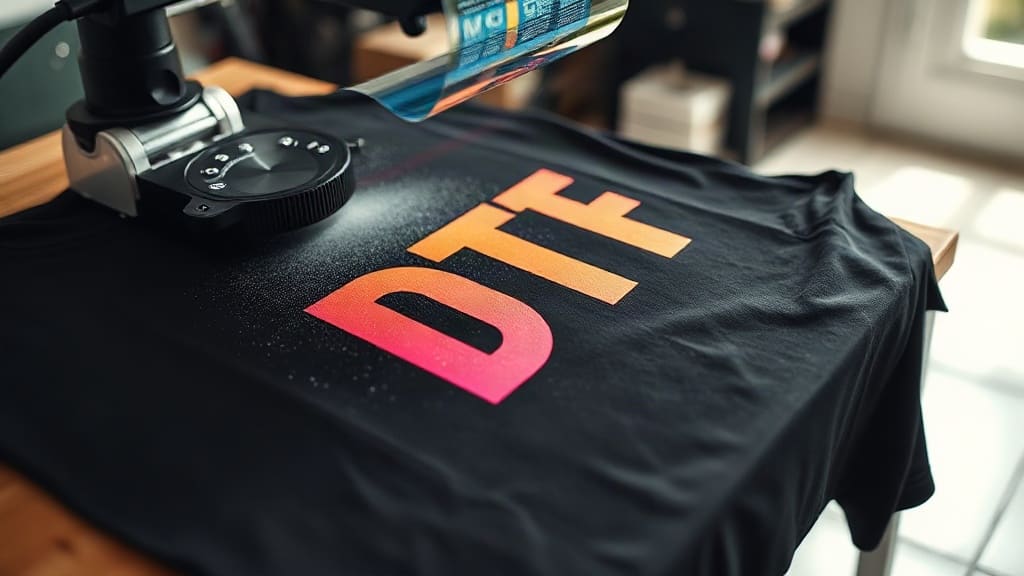
DTF Printing: A Complete Guide for Custom Apparel
Discover how DTF printing works, its benefits, and how to use it for vibrant, durable custom apparel that stands out.

Discover how DTF printing works, its benefits, and how to use it for vibrant, durable custom apparel that stands out.
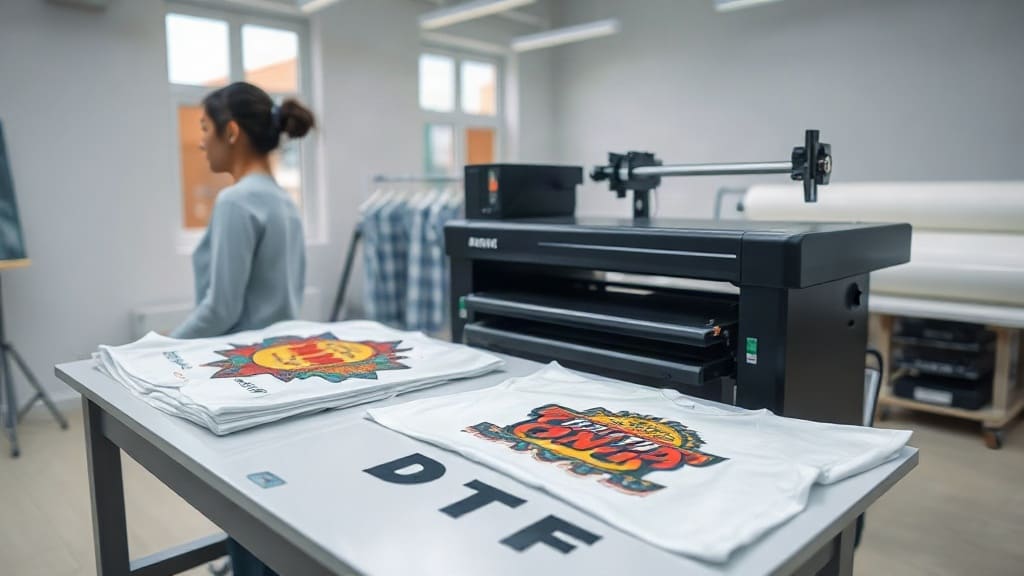
Discover how DTF printing can elevate your print on demand business with vibrant colors, durability, and versatility on various fabrics.
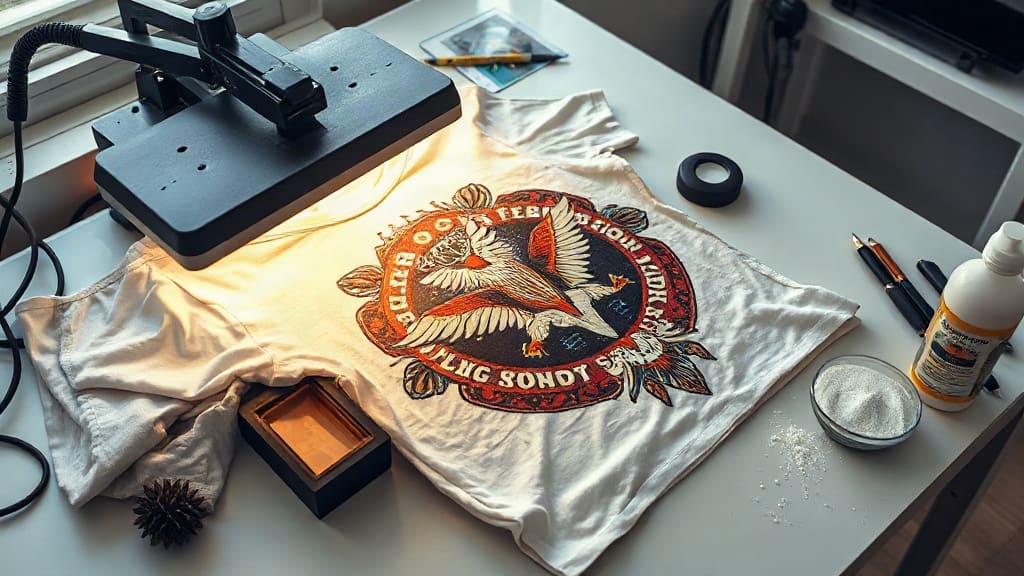
Discover how DTF printing is revolutionizing custom apparel with vibrant, durable prints and no minimum orders. Learn the process, benefits, and tips for best results.
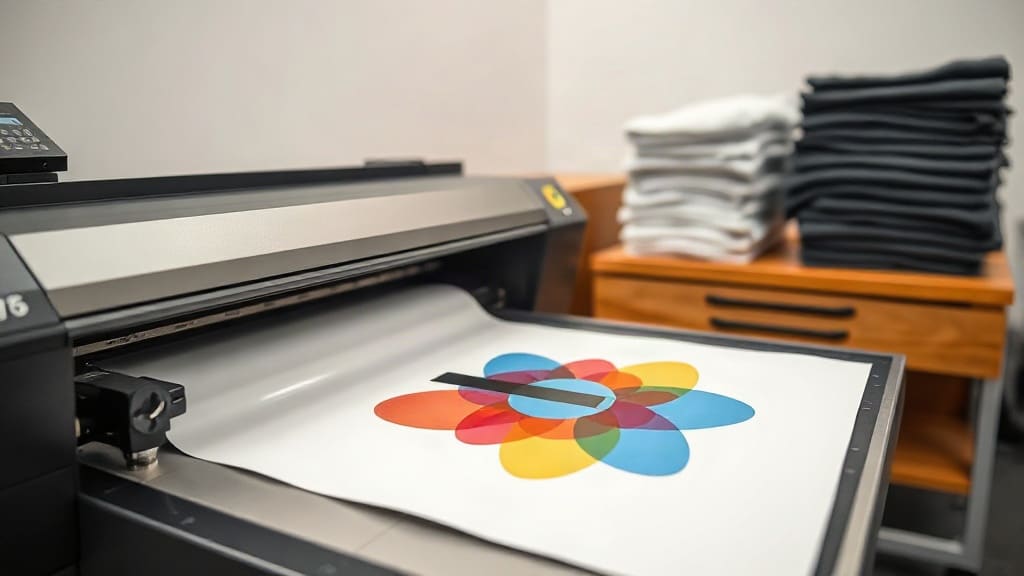
Discover how DTF printing works, why it's a game-changer for custom t-shirts, and how to get started with your own designs.
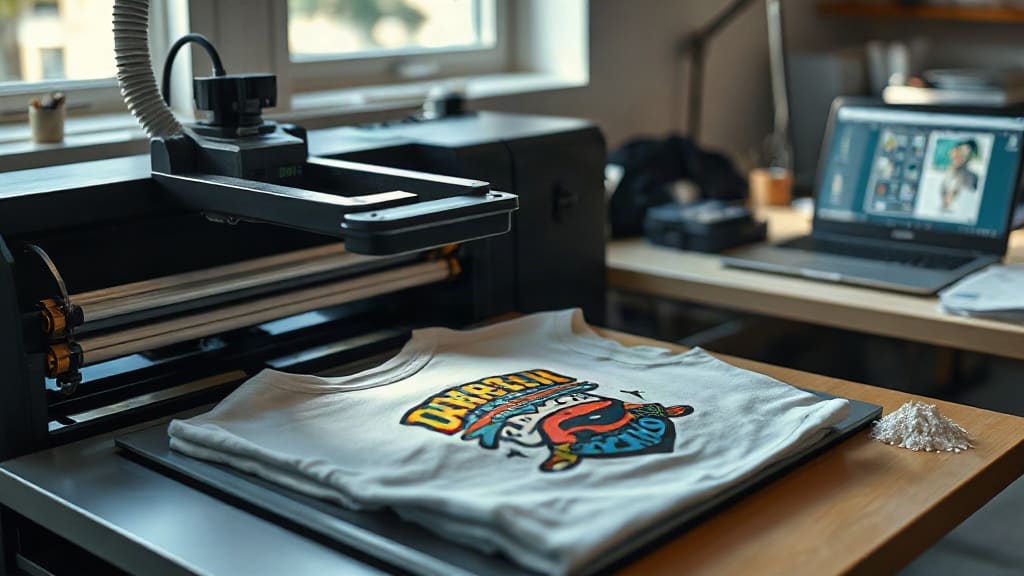
Discover how DTF printing works, why it's revolutionising custom apparel, and how to get started with your own designs.
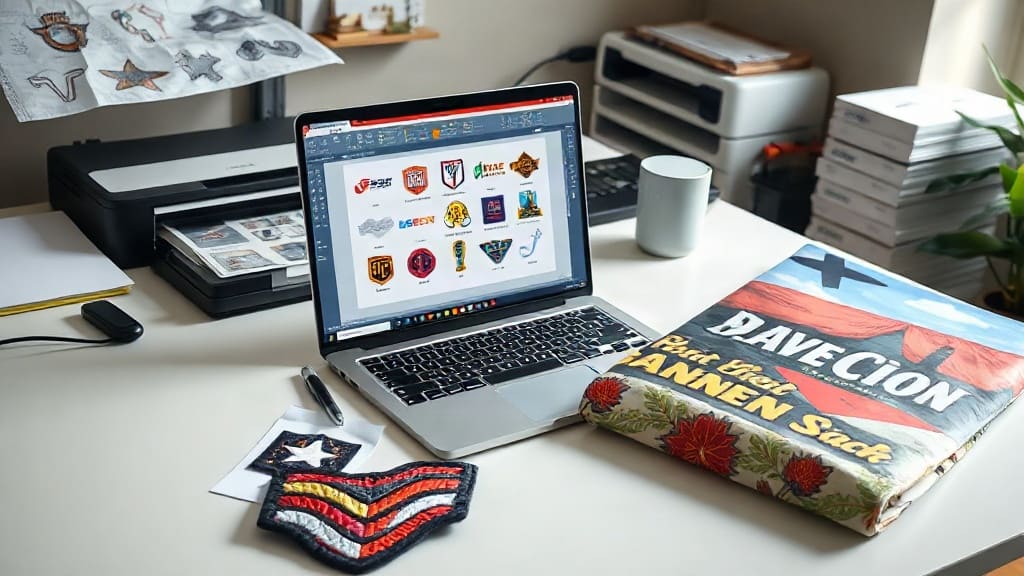
Discover how to leverage print on demand for custom patches and banners. Learn production methods, design tips, and marketing strategies to grow your brand.
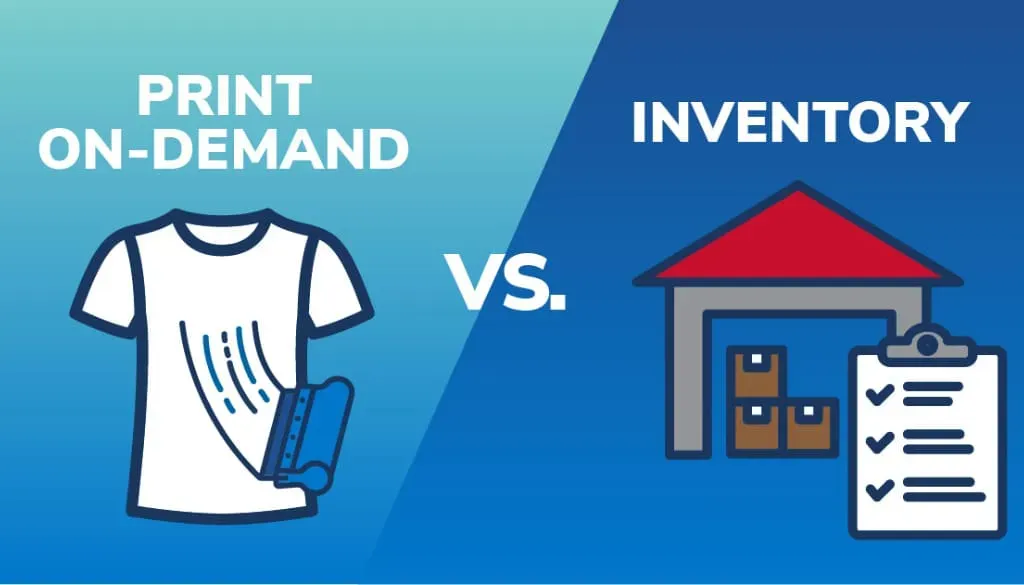
Print on Demand vs Traditional Inventory is a foundational choice for any business selling physical products, shaping cash flow, branding control, product quality, and the speed at which you can respond to market demand.Understanding this decision requires weighing print on demand advantages against the costs and risks of standing up and maintaining inventory, including how your cash flow is affected by upfront investments, storage needs, and the flexibility to iterate designs quickly.
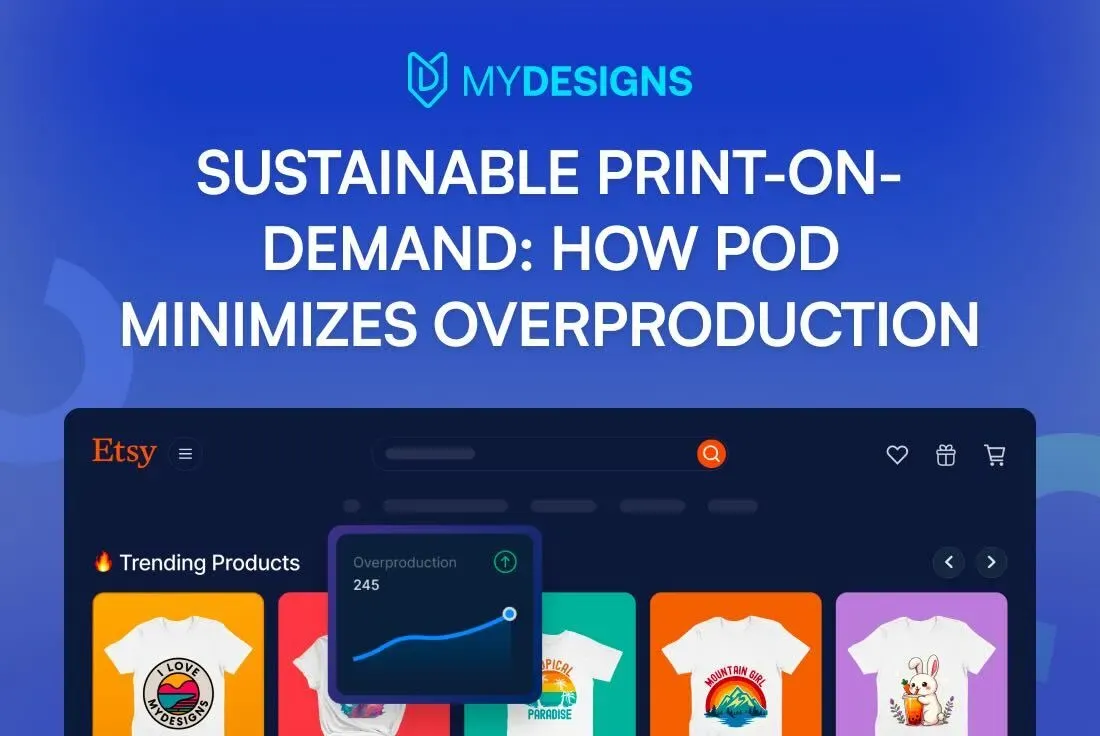
Sustainable Print on Demand is reshaping how brands align product creation with environmental responsibility while meeting customers where they are in today’s market.This approach blends the flexibility of on-demand production with choices that minimize waste and conserve resources, from file preparation and proofing to the selection of durable, recyclable packaging.
Branding Your POD Store is more than a logo; it's a customer-centered narrative that shapes every interaction from homepage to checkout.To stand out, invest in branding for POD stores by clarifying your purpose, audience, and the value your designs promise.
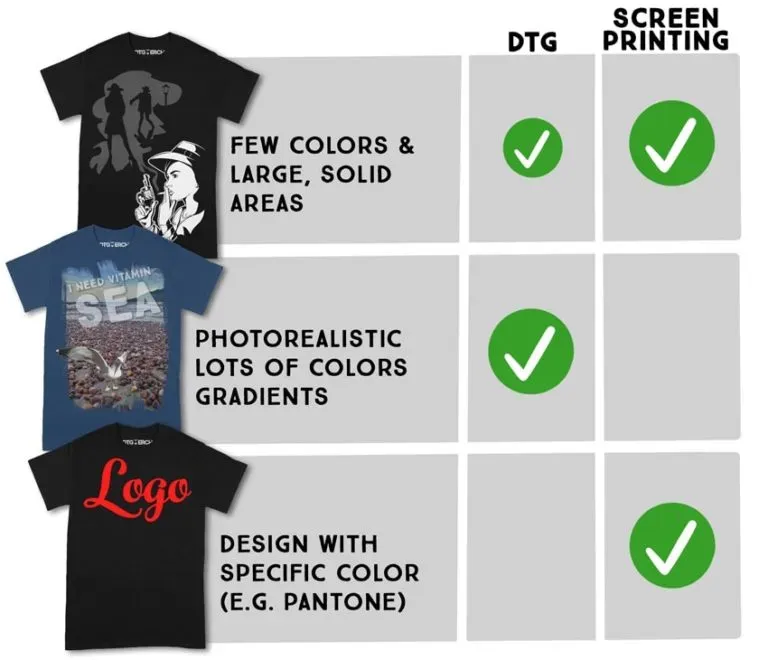
DTG vs Screen Print are two cornerstone methods shaping how brands decorate apparel in today's POD landscape.When you compare direct-to-garment printing, screen printing for apparel, and sublimation printing, you weigh image fidelity, durability, and cost within your POD printing techniques.
POD storefronts that convert are built as intentional experiences, blending design with persuasive storytelling to guide buyers from curiosity to checkout.In the competitive world of print-on-demand, aesthetics alone won't sustain growth.
SEO for print on demand stores is no longer optional; it’s the essential engine behind discoverability, relevance, and conversion in a crowded marketplace, where shoppers begin their journeys with questions, compare options, research materials, seek proof of quality, and search for truly unique designs that align with their identities and values.A well-planned strategy uses print on demand SEO strategies to align product pages, blog content, category structures, site-wide technical signals, schema markup, and a coherent internal linking plan so search engines and users alike understand exactly what you offer, why it matters in real life, and how your brand's story adds tangible value.
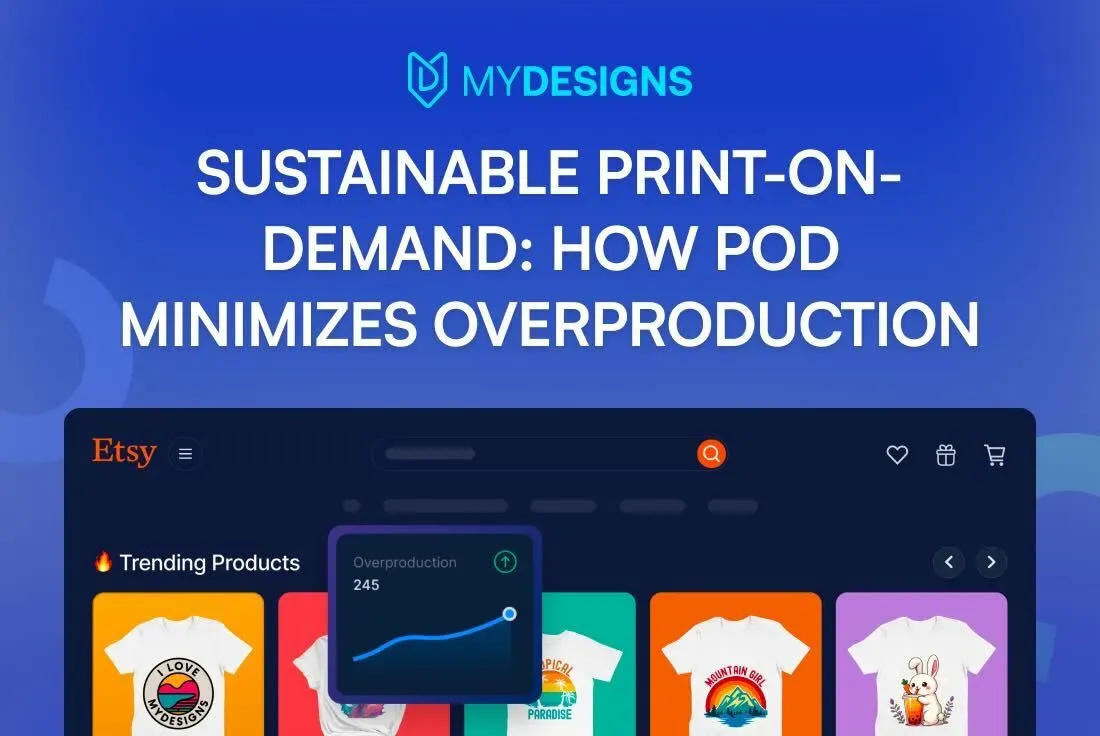
Sustainable print on demand is reshaping how brands scale without sacrificing ethics, blending stylish products with responsible operations, and signaling a new standard for durable growth, as a newer generation of brands chooses to pair style with accountability, seeking long-term resilience while maintaining compelling design.This approach goes beyond trends, weaving eco-friendly print on demand practices into product design, sourcing, packaging, and customer experience, and it rewards experimentation with durable materials and fewer seasonal drops, driving cost efficiency and shopper loyalty.
Print on Demand for Beginners opens the door for aspiring designers to turn ideas into tangible products without upfront inventory.If you’re exploring this topic, the guide offers practical steps to define a niche, pick a platform, and position your first collection.
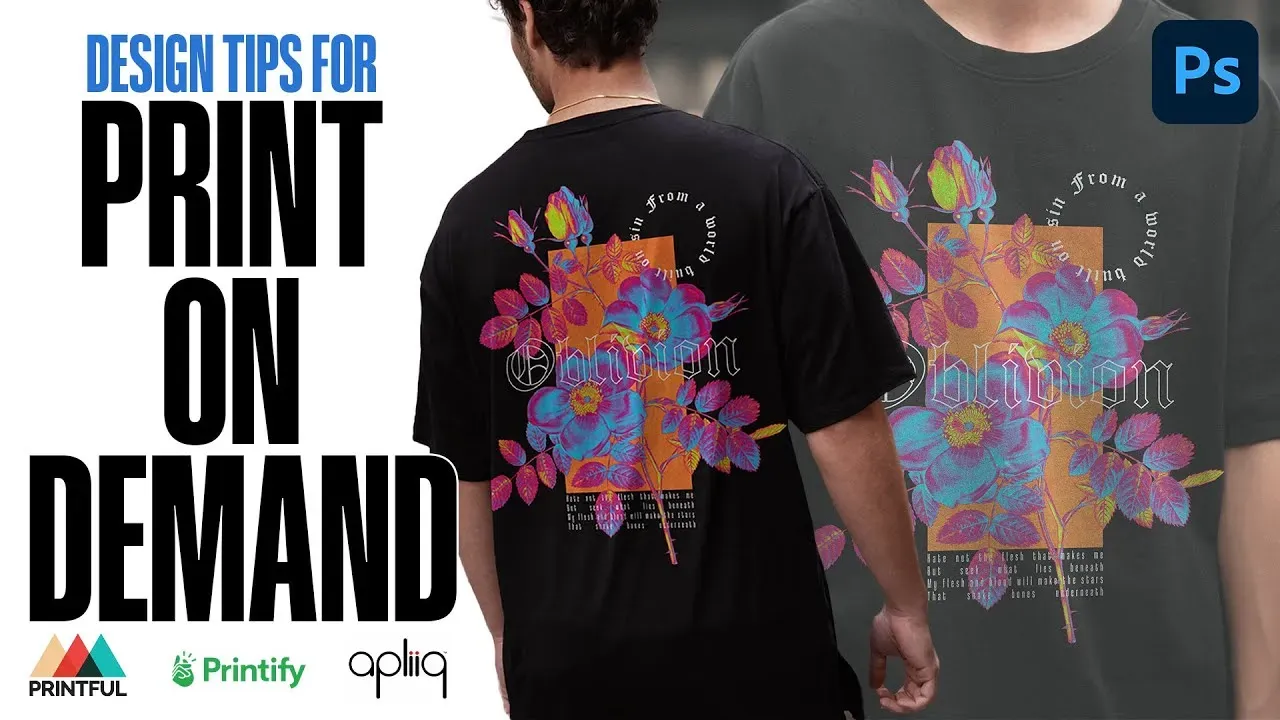
Print on Demand T-Shirts have transformed how creators turn ideas into wearable reality, allowing rapid testing and minimal upfront risk.With this model, your POD t-shirt business can validate concepts, design striking graphics, and ship orders directly to customers without holding inventory.
A print on demand platforms comparison helps creators, entrepreneurs, and brands understand options, reduce upfront risk, and validate designs before launching products, ensuring you select a solution that suits your niche while keeping cycles fast enough to respond to market feedback and adapt to shifting consumer tastes.From apparel to home goods to art prints, the catalog breadth, print quality, and geographic reach of each platform shape where you can confidently scale, how quickly customers receive orders, the costs involved, and how easily you can align packaging, branding, and returns policies with your overall brand strategy.
Print on Demand 101 signals a practical shift—turning creativity into a scalable brand without the heavy upfront costs of inventory.If you’re wondering how to start a print on demand business, this guide walks you through niche validation, product selection, and partner benchmarking.
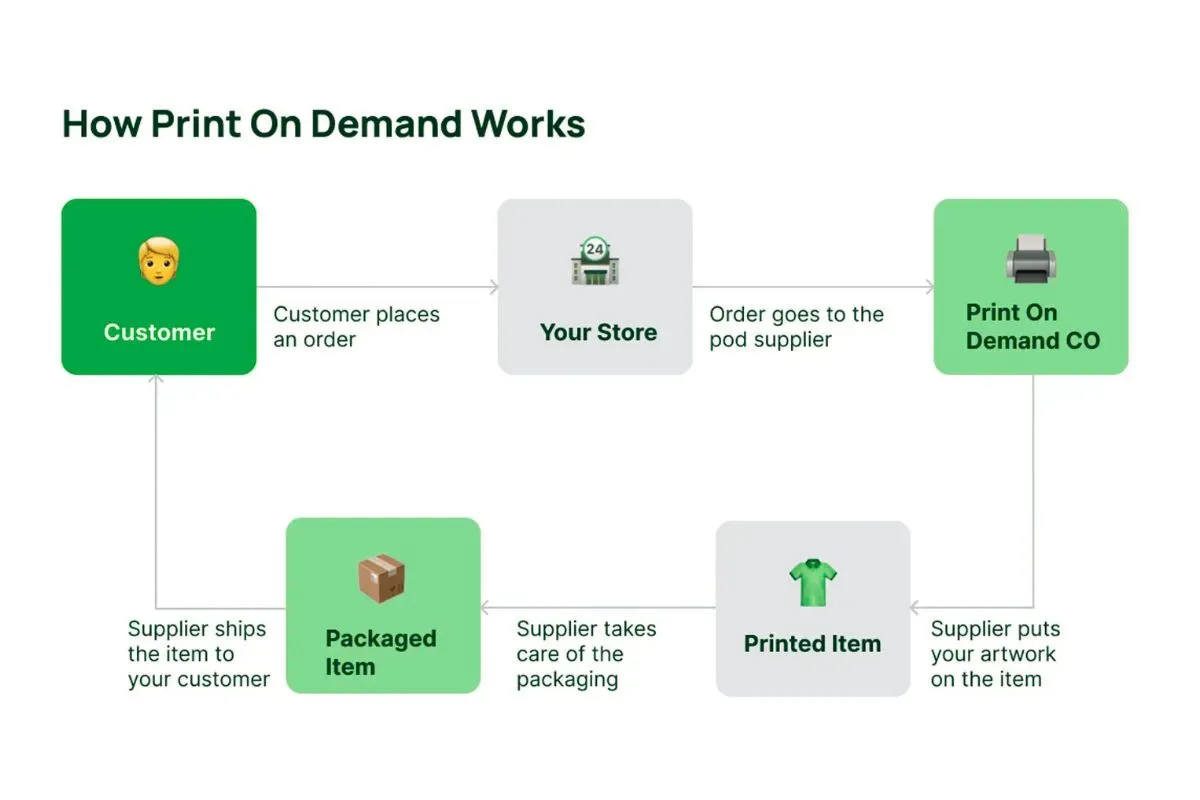
Print on Demand for Beginners is one of the most accessible ways to start an online business today.It lets you design products, list them online, and have a third party handle printing, inventory, and shipping, making it an ideal path for those asking how to start a print on demand business.
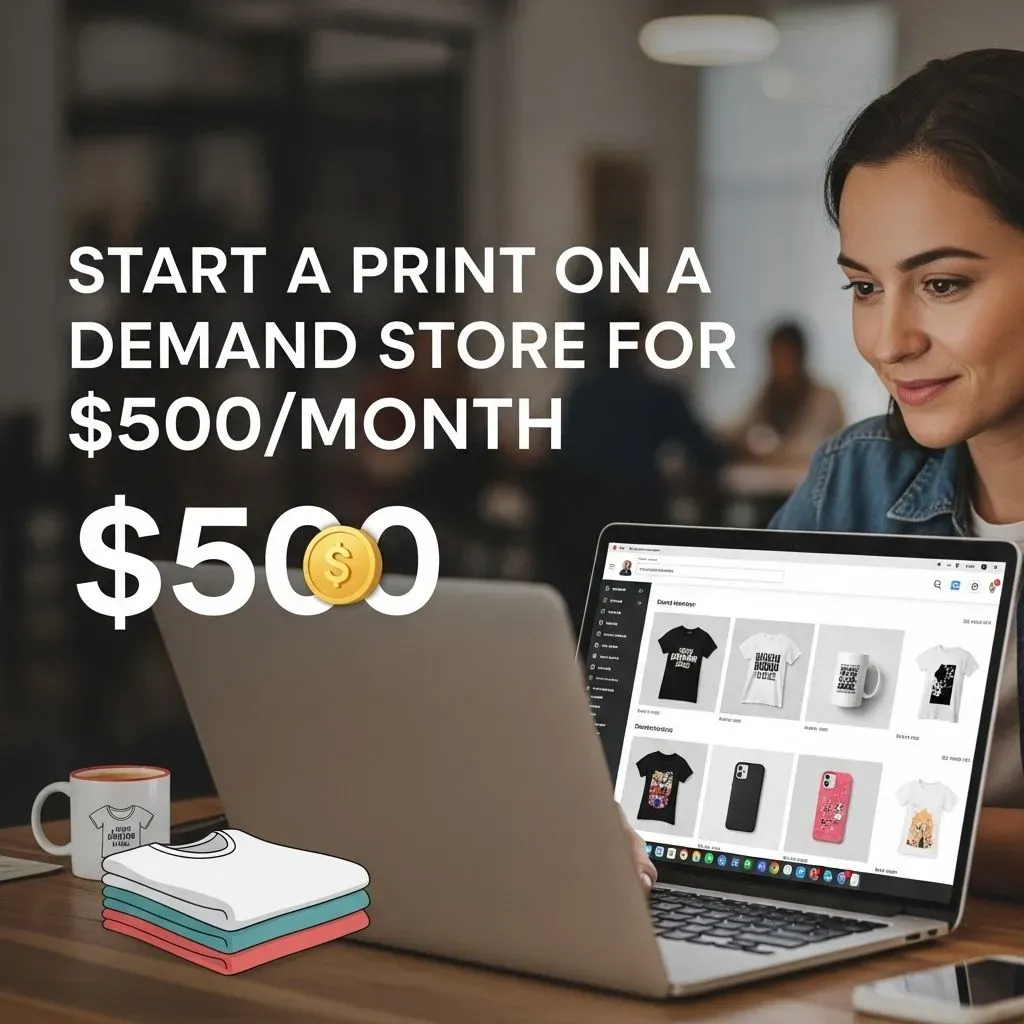
Print on Demand store offers a low-risk path to entrepreneurship by letting you launch products without holding inventory.You can design items like T-shirts, mugs, and phone cases and have them produced only after a customer orders.
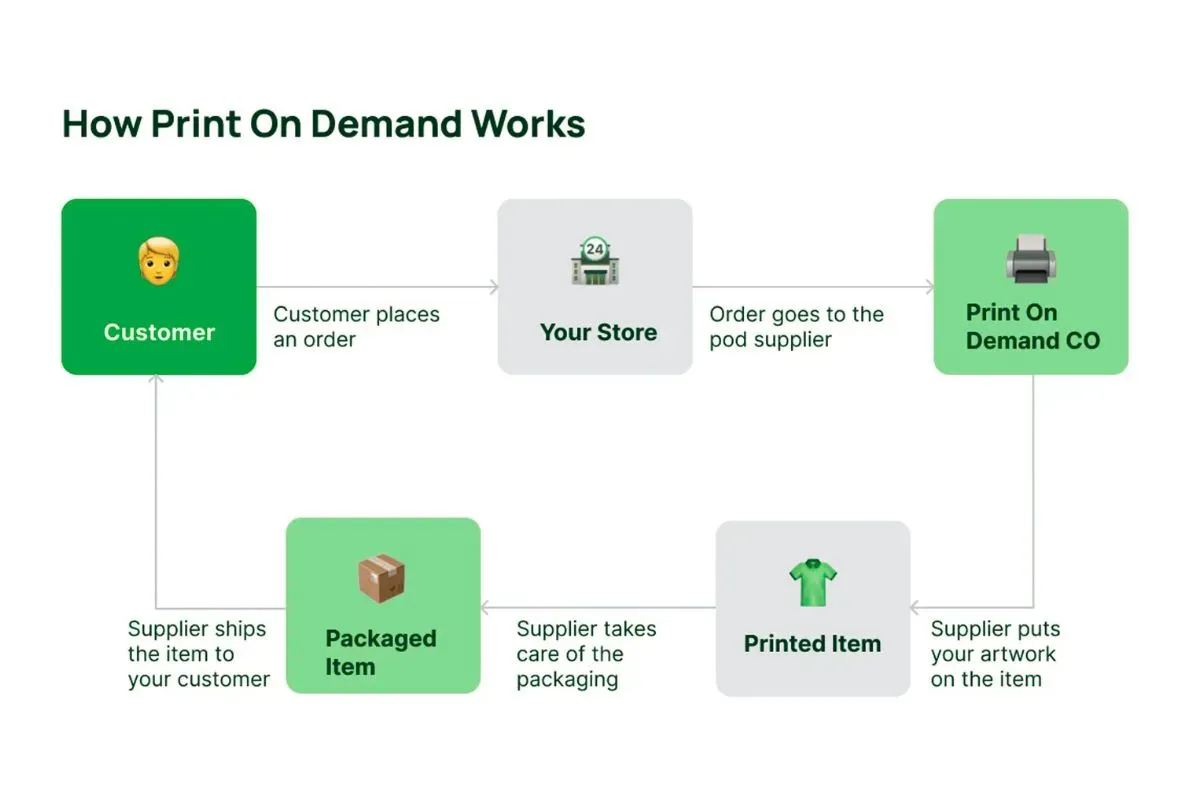
Print on Demand has transformed how entrepreneurs launch and scale online stores.With the Print on Demand business model, you design products, list them online, and your supplier prints and ships after each sale.
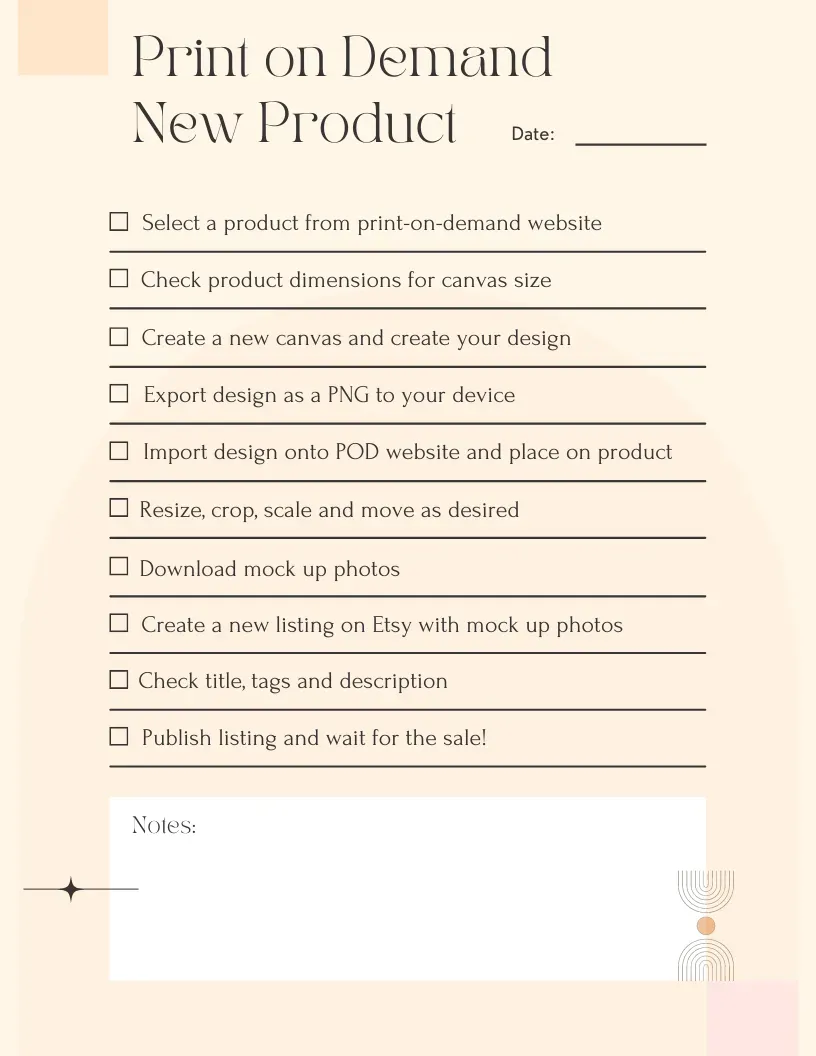
Print on Demand Checklist offers a practical map for launching a low-risk, scalable e-commerce venture.If you're wondering how to start print on demand business, this guide breaks the process into clear, manageable steps.
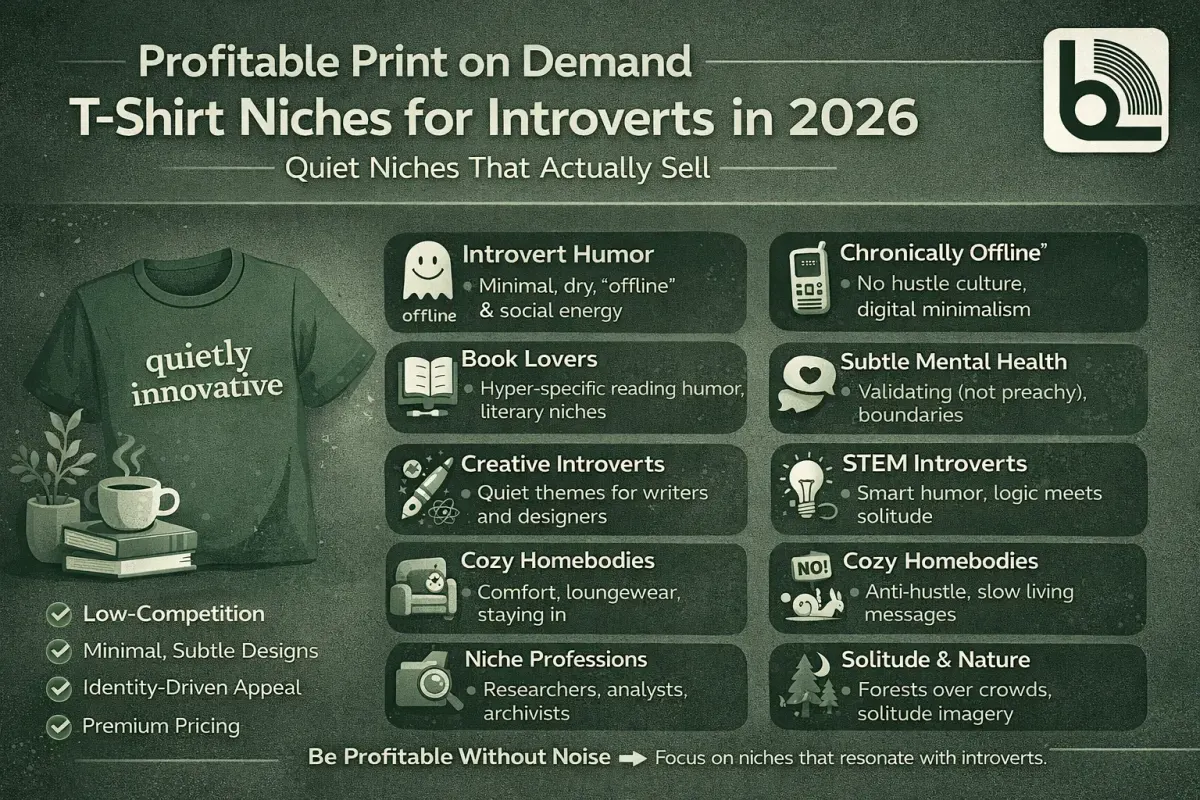
Print on Demand Niches 2026 are shaping how creators approach product design and marketing in a crowded e-commerce space.This guide highlights the top niches that consistently perform, blending passion with practical appeal.
Scale Your Print on Demand Business is more than a catchy headline—it’s a practical objective for entrepreneurs who want predictable revenue through automation.The model reduces upfront costs and risk, but true growth comes from print on demand automation that streamlines orders, production, and customer communications.
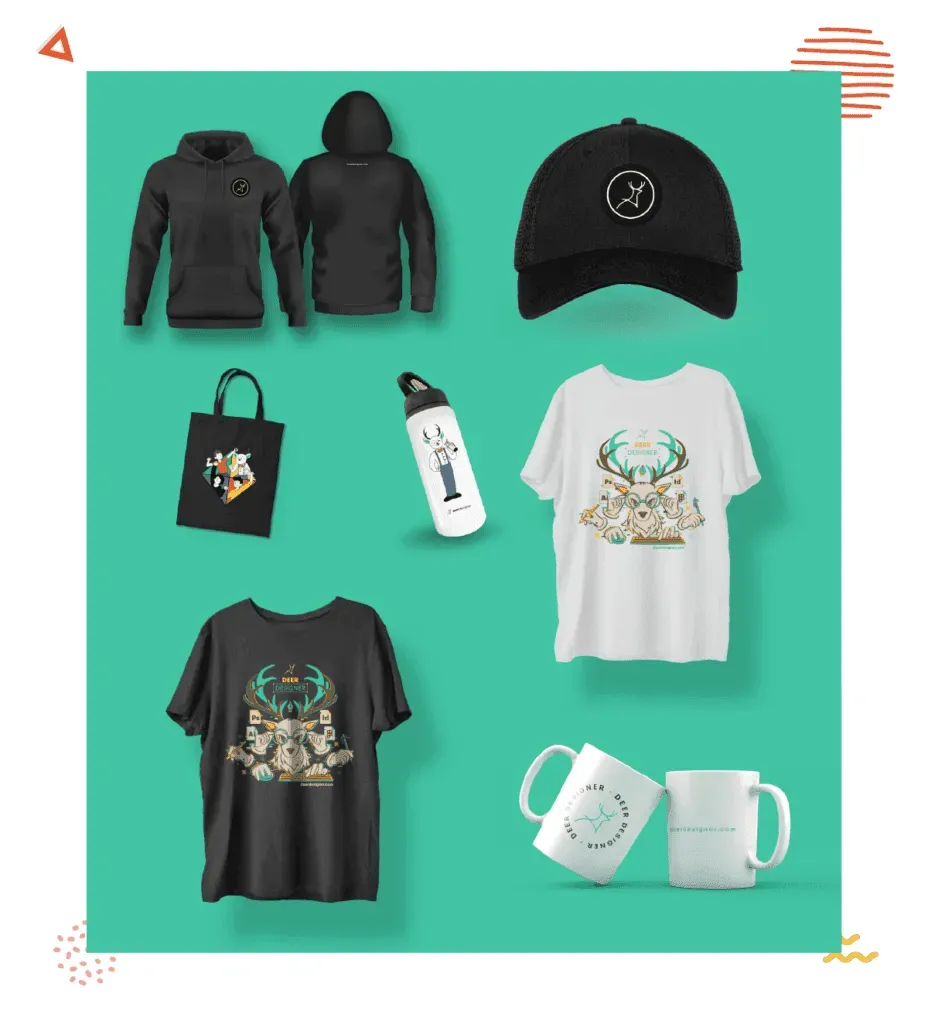
Designing for Merch is more than eye-catching artwork; it’s a disciplined process of turning creative ideas into scalable, print-ready designs that look great on T-shirts, hoodies, mugs, and beyond.As the world shifts toward print on demand merch, designers need a strategy that blends aesthetics with production realities.
Sustainable print on demand is redefining how brands think about production, packaging, and fulfillment.As consumers demand responsible practices, POD providers balance customization with eco-conscious choices, using eco-friendly packaging and recycled materials.
Print on Demand fulfillment has reshaped how creators, entrepreneurs, and brands bring products to market.By removing inventory risk and lowering upfront costs, it enables rapid testing of designs while integrating with top POD platforms and print on demand platforms.
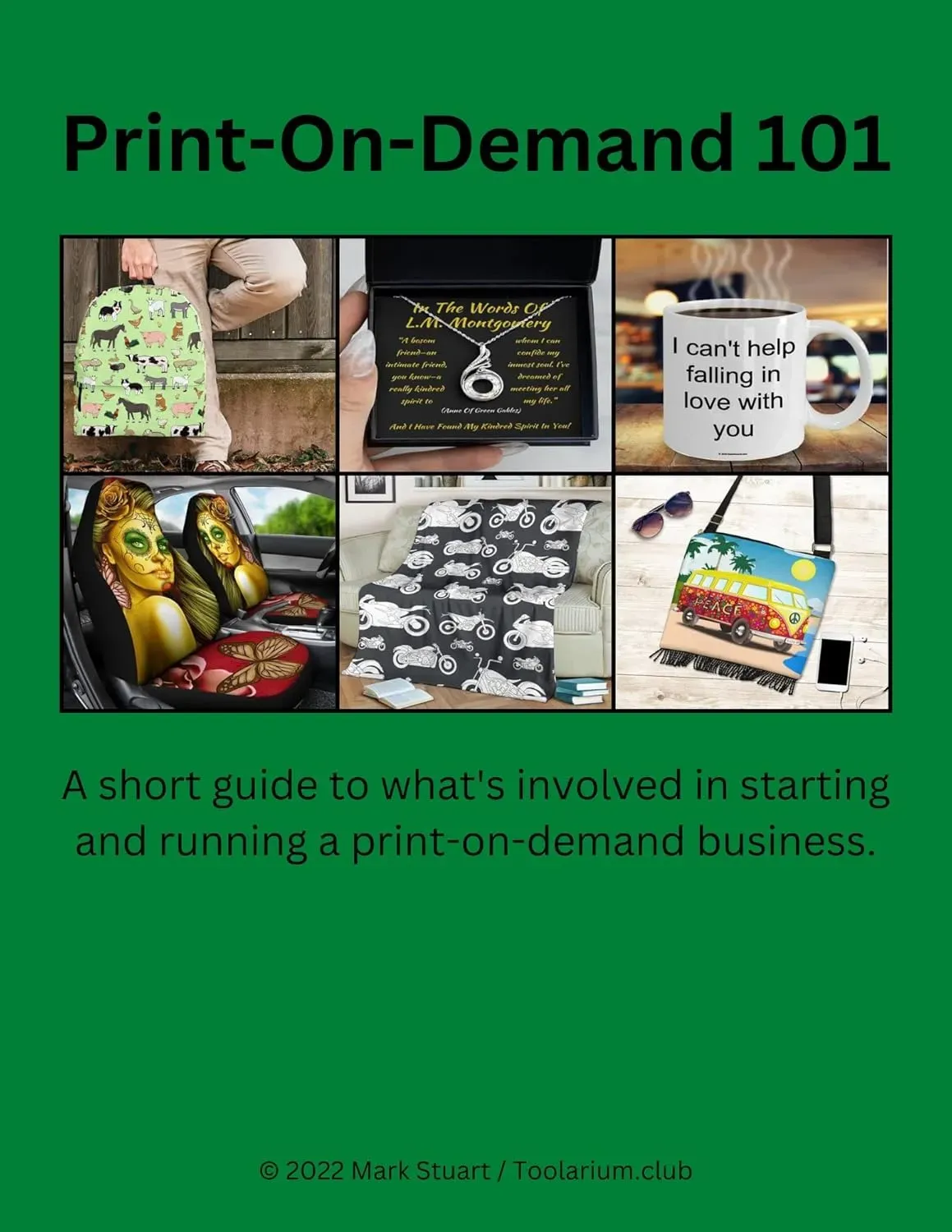
Print on Demand 101 is more than a buzzword—it's a practical, scalable path for turning creative ideas into real products without a warehouse full of inventory, and many entrepreneurs begin with a spare room or a small home office that doubles as a studio, workshop, or testing ground.This descriptive, web-friendly guide walks you through the essential steps, from identifying a focused niche to selecting a handful of repeatable products, setting up a storefront on your preferred platform, integrating reliable fulfillment partners, testing shipping scenarios, and aligning production with realistic timelines so orders flow smoothly and consistently for both new and seasoned creators.