
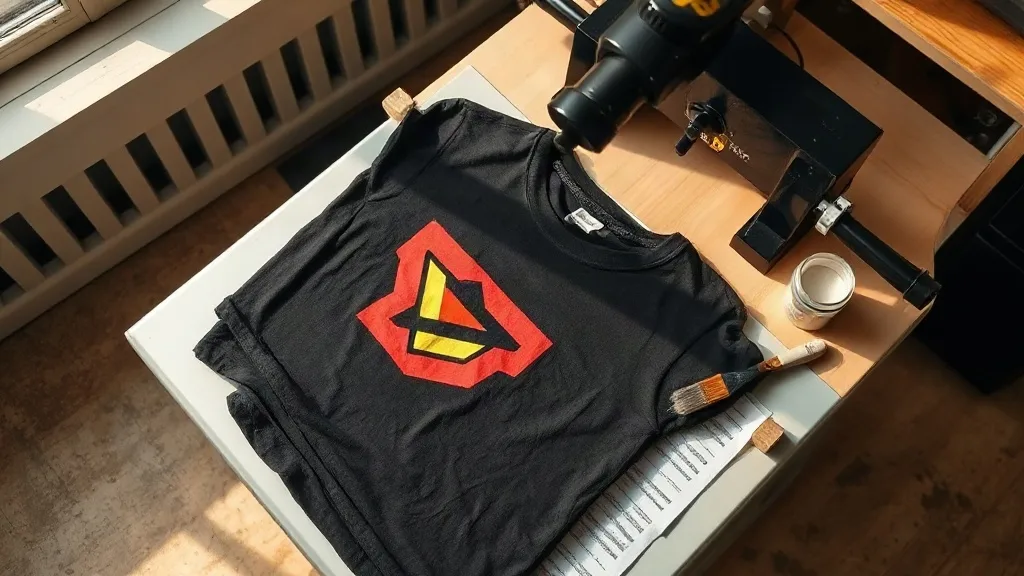
If you have spent any time around custom apparel, you have probably noticed that dtf transfers have quietly become the go-to method for small shops, side hustles, and even people printing a handful of shirts for a family reunion. The appeal is simple: full-color designs, no minimum order, and a finished print that stretches with the fabric instead of cracking off it. But there is a gap between what the marketing promises and what actually happens on a heat press at home, and that gap is where most people get frustrated.
This guide walks through the parts that matter in practice. How the film and powder actually work, when DTF is the right call versus screen printing or vinyl, the pressing mistakes that ruin otherwise good prints, and what to look for when you search for dtf transfers near me. No hype, just the details that decide whether your shirt survives twenty washes or peels on the second one.
What DTF Actually Is, in Plain Terms
DTF stands for direct to film. A printer lays your artwork onto a special PET film using water-based pigment inks, then the wet ink gets dusted with a thermoplastic adhesive powder. That powder is the part most people underestimate. It melts into the ink and becomes the glue that bonds the design to fabric during pressing. Without a proper powder coating, the print sits on top of the shirt like a sticker and flakes away.
The finished transfer is a thin, flexible sheet you can store flat, ship in an envelope, and press whenever you need it. There is no screen to burn, no vinyl to weed, and no color separation to worry about. A design with twelve colors costs exactly the same as one with two. That flat cost structure is why dtf printing took off with people doing low-volume, high-variety work.
Film, Ink, and Powder: The Three Ingredients
Each component affects the final result in a different way, and knowing which one is failing helps you troubleshoot instead of guessing.
- Film: Cheaper films wrinkle during printing and cause banding. Cold-peel films release cleanly after the press cools; hot-peel films come off while still warm and suit high-volume workflows.
- Ink: Pigment inks need to be shaken and stored properly. Old or separated ink prints dull and washes out fast.
- Powder: Fine-grain adhesive powder gives a softer hand feel. Coarse powder is cheaper but leaves a rubbery texture and can leave visible specks on dark shirts.
When DTF Beats the Alternatives
There is no single best printing method. There is only the method that fits your order size, fabric, and budget. Here is how DTF stacks up against the two most common competitors.
DTF vs. Screen Printing
Screen printing wins on cost per unit once you are past roughly fifty to a hundred pieces of the same design, and it holds up beautifully on cotton. But setup costs, screen fees, and color limitations make it painful for small runs. DTF has no setup cost at all, handles gradients and photographic images without halftone dots, and works on blends that screen printing struggles with. If you are printing ten shirts with ten different designs, DTF is not close.
DTF vs. Heat Transfer Vinyl
Vinyl is great for simple one or two-color text and numbers, especially on jerseys. The moment your design has shading, fine detail, or more than a couple of colors, weeding vinyl becomes a nightmare and the result looks stiff. DTF handles that complexity in a single sheet and drapes with the garment. The tradeoff is that vinyl can feel more durable on heavy cotton, while DTF on a poor-quality film may start to show edge wear after many wash cycles.
Fabric Matters More Than Most People Think
DTF adheres to a huge range of materials, but not all of them equally. Cotton and cotton-poly blends are the sweet spot, with 50/50 blends often producing the softest result because the polyester fibers grab the adhesive well. On 100% polyester, especially performance fabrics with a slick finish, you need lower press temperatures and a gentle peel or the print will bond too aggressively and stiffen.
Two fabric types deserve caution. Nylon and treated water-resistant fabrics often need a specialty low-temperature powder and a test press before you commit a full order. And stretchy athletic wear with high spandex content will stretch further than the cured ink can follow, so the print may crack at stress points even when the bond is technically sound. Always press a scrap piece first. It takes two minutes and saves a whole order.
The Pressing Steps That Decide the Outcome
Most DTF failures are pressing failures, not printing failures. The transfer was fine; the person pressing it skipped a step. Here is a sequence that works reliably across cotton and blends.
- Pre-press the shirt for 5 to 7 seconds. This drives out moisture. Damp fabric traps steam under the film and causes bubbling and poor adhesion.
- Set temperature by fabric. Around 300 to 320 degrees Fahrenheit for cotton, lower for heat-sensitive synthetics. Confirm with your transfer supplier, since film and powder formulations differ.
- Press with firm, even pressure for 10 to 15 seconds. Light pressure is the most common mistake. The adhesive needs to flow into the fibers, and that requires real force.
- Let it cool before peeling. Cold peel is the safer default. Peeling hot can pull the design apart at thin lines.
- Post-press with a cover sheet for 5 seconds. This second press pushes the ink into the fabric and improves wash durability noticeably.
If you skip the post-press, expect the print to feel plasticky and wear faster at the edges. It is the single step people drop when they are in a hurry, and it is the one that matters most for longevity.
Wash Durability: What to Realistically Expect
A properly applied DTF print on cotton should survive dozens of wash cycles without cracking or peeling, provided the garment is washed inside out in cold water and tumble dried on low or hung to dry. High heat is the enemy. A hot dryer softens the adhesive repeatedly, and eventually the bond weakens at the edges where the print flexes most.
Be skeptical of claims that a print will last forever. It will not. What you can control is how well you press it and how the customer cares for it. Including a small care card with orders is a cheap way to cut complaints and build a reputation for quality that outlasts a single sale.
Buying Transfers: What Separates Good Suppliers
When you are sourcing transfers, price per sheet is the least useful number on the page. Ask about film brand, powder type, and whether gang sheets are available so you can combine multiple designs on one sheet to cut waste. A supplier who can explain their powder choice and press settings is usually a better bet than one who only lists a price.
Turnaround and color accuracy matter too. Request a sample before placing a bulk order, press it on the exact fabric you plan to use, and wash it three times. That test tells you more than any spec sheet. Many buyers also search for dtf transfers near me because local pickup shortens lead times for deadline-driven jobs like team uniforms or event merch.
Frequently Asked Questions
Can I use DTF transfers on dark and light shirts?
Yes. DTF prints include a white ink layer under the color, so the same transfer works on black, white, and everything between. This is one of its biggest advantages over dye-sublimation, which only works on light or specially coated garments.
How long does a DTF transfer last before pressing?
Stored flat in a cool, dry place away from direct sunlight, transfers stay usable for several months. Humidity is the main enemy, since moisture degrades the powder. Keep them in a sealed bag if your workspace is damp.
Do I need a commercial heat press?
A quality home press with adjustable pressure and a digital temperature readout is enough for small batches. Irons and easy presses rarely deliver the even pressure needed for a durable bond, so treat them as a last resort for one-off projects.
Why is my DTF print cracking after washing?
Usually it comes down to insufficient pressure, a skipped pre-press, or washing in hot water. Re-check your pressure first, then add the post-press step. If the cracking is only at the edges, the design may be stretching beyond what the cured ink can handle on that fabric.
Is DTF safe for children's clothing?
Cured DTF prints from reputable suppliers use water-based inks and are generally considered safe for apparel. If you need specific compliance documentation, ask your supplier directly before ordering, since formulations vary between manufacturers.